
Struggling to tell if an end mill is high-speed steel or just regular steel? Making the wrong choice can ruin your workpiece and cost you money. Here’s how to know.
The most reliable way is to check supplier documents and any markings like "HSS" or "M42" on the tool. If it's unmarked, a combination of hardness tests, spark tests, and actual cutting performance will confirm if it is genuine high-speed steel.
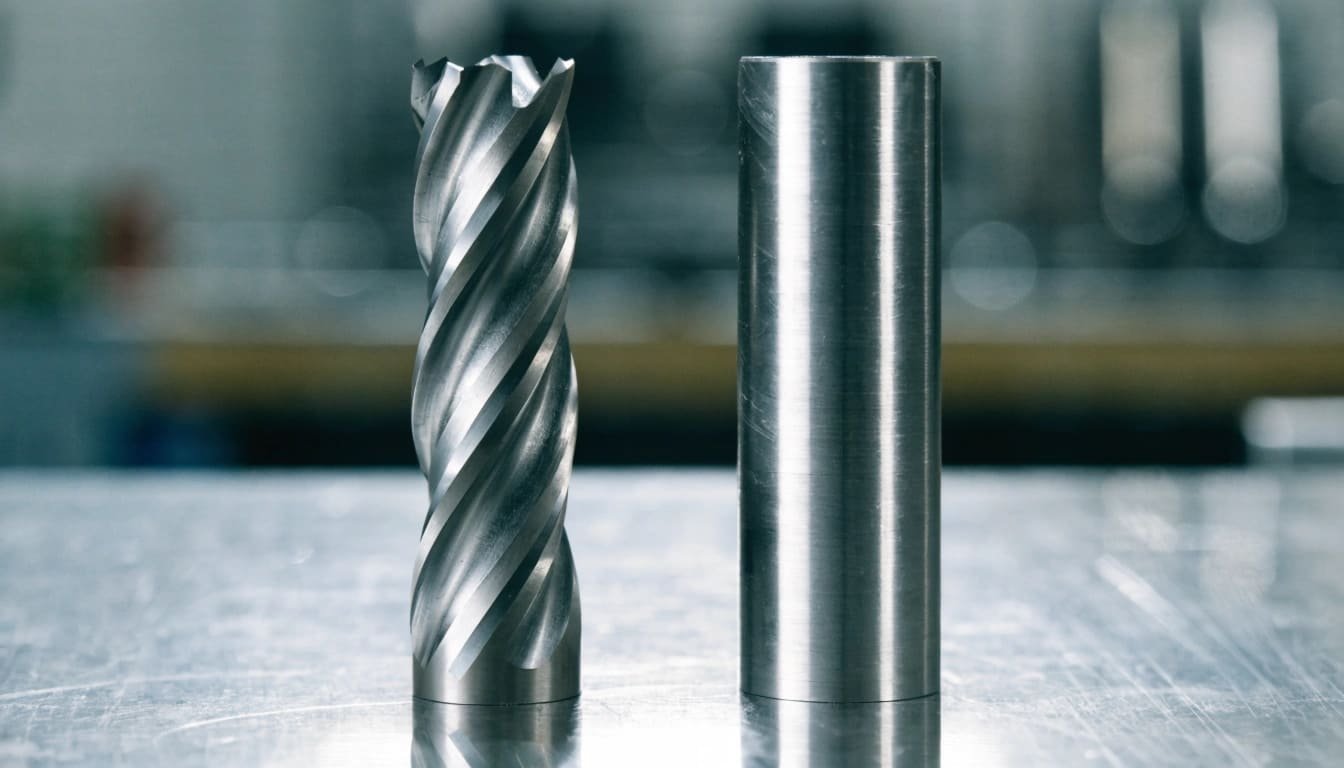
I remember a new procurement officer on our team once bought a batch of "HSS" end mills from a new supplier. They looked right, but they failed almost instantly on a hardened steel job. That experience taught us a valuable lesson: knowing the difference is critical for any serious machining operation. Let's break down what makes HSS special and how you can avoid similar costly mistakes.
What makes High-Speed Steel (HSS) different from regular steel?
You see two steel tools that look almost identical. But one cuts flawlessly while the other dulls in seconds. The difference is the material inside, which defines its performance.
High-Speed Steel (HSS) is a high-alloy tool steel containing elements like tungsten, molybdenum, and cobalt. This gives it superior hardness and heat resistance compared to regular carbon or low-alloy steel, which lacks these critical properties for high-performance cutting.
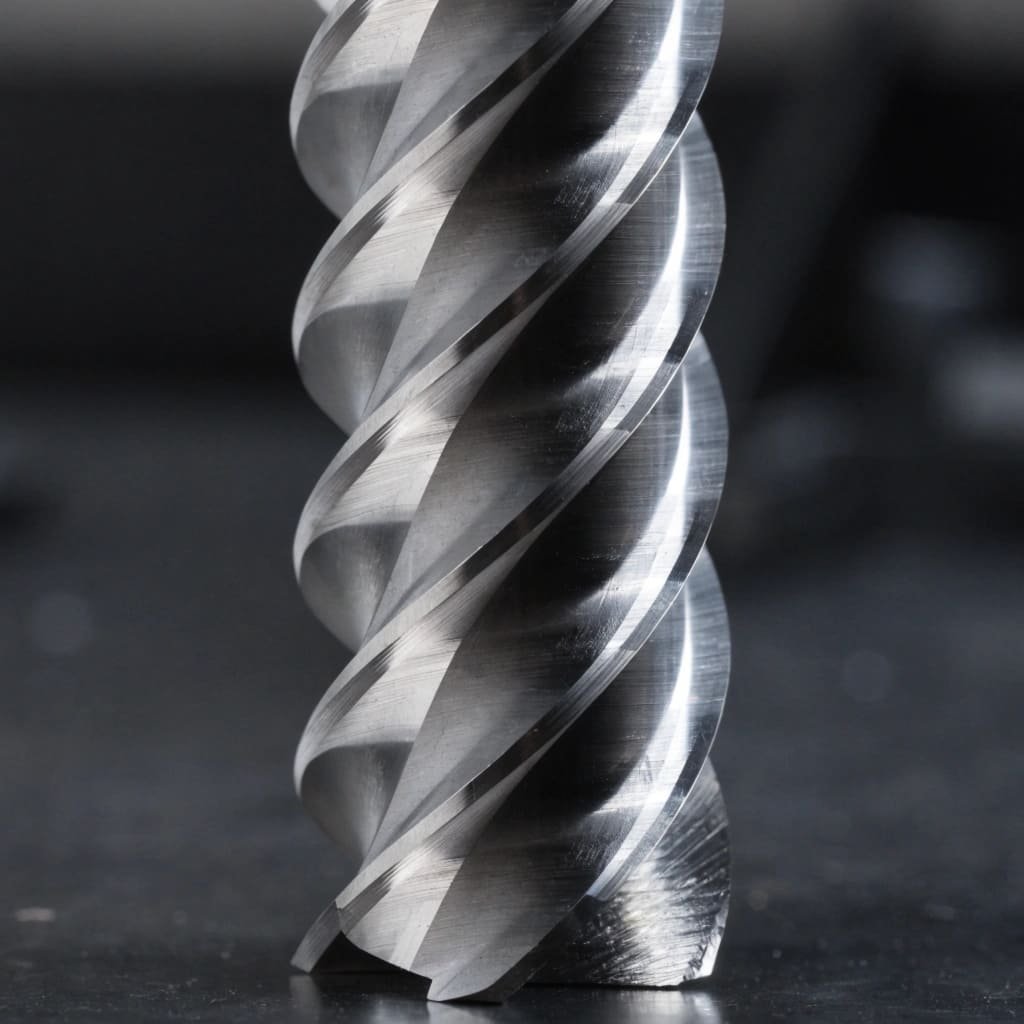
When we talk about "regular steel" in a machine shop, we usually mean low-carbon or mild steel. This material is great for building machine frames or simple parts. But it is not good for making cutting tools. It is too soft and loses its hardness very quickly when it gets hot.
High-Speed Steel is completely different. It is engineered specifically for cutting metal at high speeds. This is where the name "high-speed" comes from. The magic is in the alloys.
The Key Material Differences
HSS contains special ingredients that regular steel does not have1. Elements like tungsten, chromium, vanadium, and sometimes cobalt are added. These elements allow HSS to stay very hard even at high temperatures, a property we call "red-hardness." When a tool is cutting metal, it generates a lot of heat. A regular steel tool would soften and fail. An HSS tool keeps cutting.
Here is a simple breakdown:
| Property | Regular Steel (e.g., Mild Steel) | High-Speed Steel (HSS) |
|---|---|---|
| Primary Use | Structural parts, general fabrication | Cutting tools (drills, end mills, taps) |
| Key Alloys | Mostly iron and carbon | Iron, carbon, tungsten, cobalt, etc. |
| Hardness (HRC) | Around 15-25 HRC | 62-67 HRC |
| Heat Resistance | Poor; softens easily when heated | Excellent; maintains hardness at high temps |
| Common Grades | 1018, A36 | M2, M35 (5% Cobalt), M42 (8% Cobalt) |
This is why you can’t just use any piece of steel as an end mill. Without the right alloys, it simply won't survive the forces and heat of modern machining.
What are the most reliable ways to identify an HSS end mill?
Holding an unmarked tool, you feel uncertain. Using it could be a big gamble. You need a reliable method to confirm its material before you risk your job and your machine.
Start with official supplier documentation and look for markings like "HSS" or "M42" on the tool shank. If these are missing, a file test for hardness and a controlled cutting test are the next most reliable methods for confirmation.
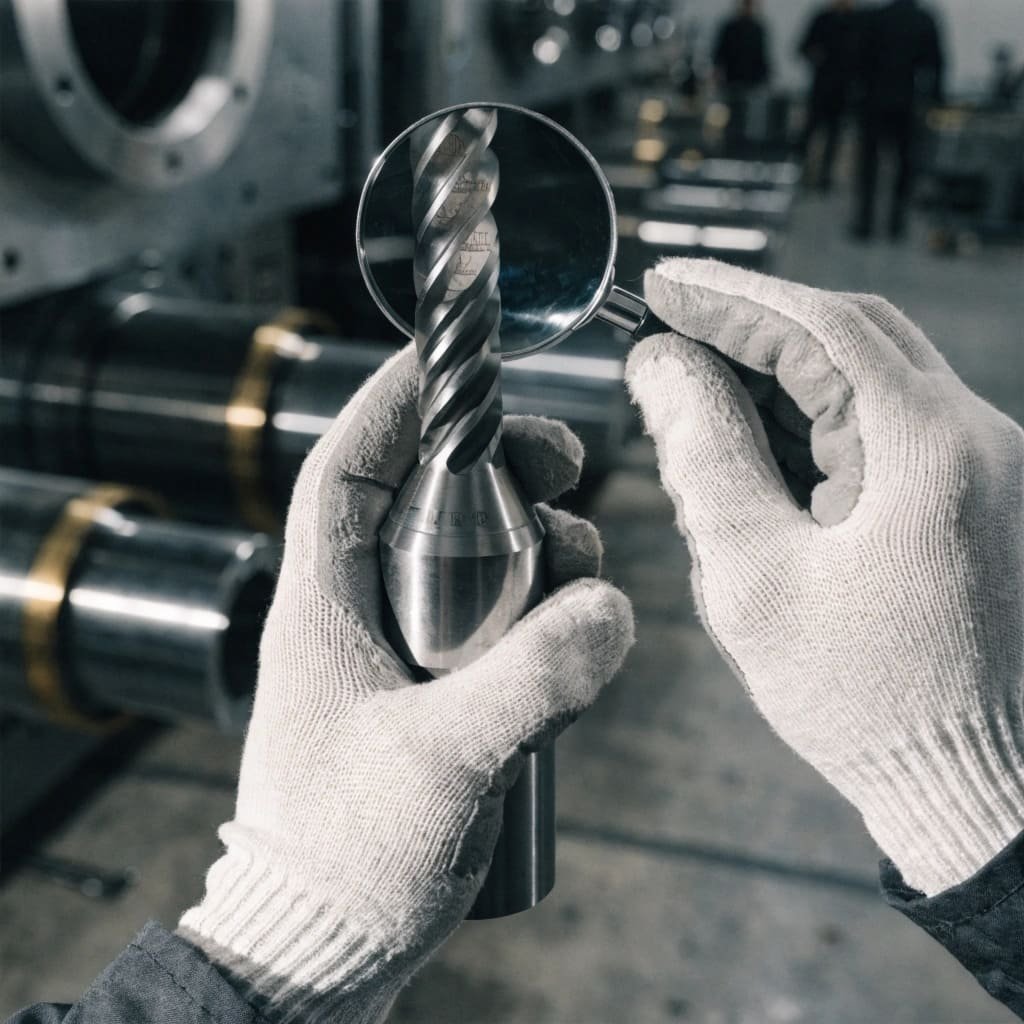
Over my 15 years in this business, I've seen many tools that were not what they claimed to be. We have developed a system for checking tools, from the most reliable method to the least. You should always start at the top of the list.
A Hierarchy of Identification Methods
Think of these methods as a ladder. You start at the most certain step and only move down if necessary.
-
Supplier Documentation & Certificates: This is the gold standard. Your purchase order, the box label, and a material certificate from a reputable supplier are the most trustworthy sources. There is no guesswork here. This is the only way to be 100% sure.
-
Markings on the Tool: Most professional tool manufacturers laser-etch or stamp information directly onto the shank. Look for markings like "HSS," "HSS-Co," or specific grades like "M2" or "M42." This is a very reliable sign.
-
The File Test: This is a simple, practical shop test. A good hardened steel file has a hardness of about 65 HRC2. A quality HSS end mill is usually between 62-67 HRC3. If you try to file a non-critical part of the end mill (like the end of the shank), the file should "skate" or slide over it without cutting much. If the file easily bites in and removes material, the tool is almost certainly not HSS.
-
Cutting Performance: The ultimate proof is in the cutting. Set up a test piece and run the tool at the correct speeds and feeds for HSS. A real HSS tool will produce clean chips and a good surface finish4. A fake one made of regular steel will dull, overheat, or even break very quickly.
-
The Spark Test: This test requires experience. When you touch a piece of steel to a grinding wheel, it creates sparks. The pattern and color of the sparks can tell you about the material. Regular carbon steel creates long, bright, star-like sparks. HSS produces a shorter, duller red spark stream with very few bursts. It is a helpful clue, but I would not rely on it alone.
How can I apply these tests in my own shop?
Theory is good, but you need a practical checklist. Without a clear process, you might miss a crucial step and still end up with a failed tool and a scrapped part.
First, always check for supplier specifications and tool markings. If none exist, compare the tool to a known HSS sample. Then, carefully perform a file test on a non-critical area. Finally, conduct a test cut under controlled conditions to observe its performance.
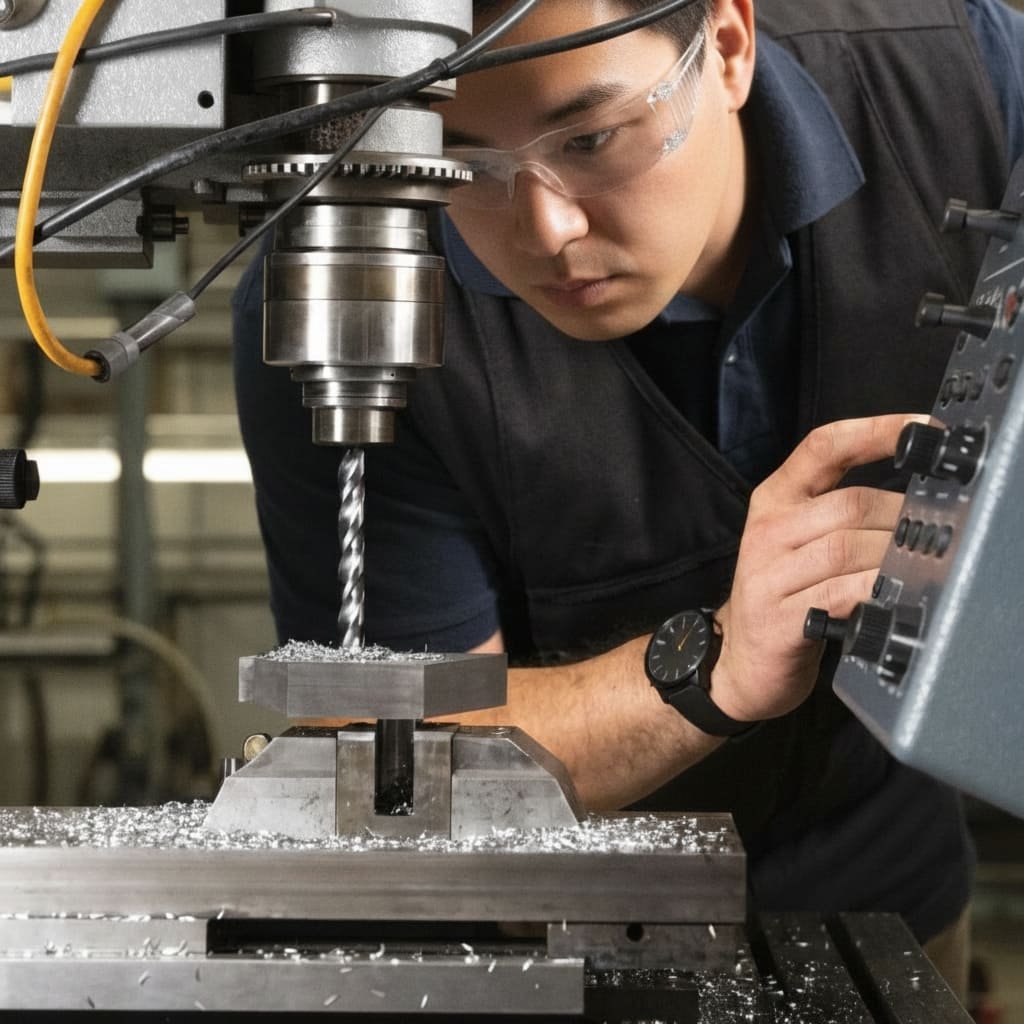
Let me walk you through the exact steps we use in our own facility when we receive a tool from a new or unverified source. This process is simple and helps us avoid costly mistakes. Following a consistent procedure is key to maintaining quality control.
A Step-by-Step Inspection Guide
Here is a simple workflow you can follow:
-
Start with the Paperwork: Before you even unwrap the tool, look at the documents. Check the packing slip, the box label, and any certificates that came with the shipment. Does everything match what you ordered? A reputable supplier will always provide clear documentation5.
-
Inspect the Tool Shank: Now, look at the tool itself. Use a magnifying glass if you need to. Check the entire shank for any laser markings. Professional tools will nearly always have the material type (e.g., HSS, M42) and the manufacturer's name etched on them. No markings can be a red flag.
-
Perform the File Test: This is my favorite quick check. Grab a sharp, known-good hand file. Find a spot on the end mill that doesn’t do any cutting, like the flat on the back of the shank. Try to file it with firm pressure.
- If the file slides off and barely leaves a mark, you are likely holding hardened tool steel.
- If the file digs in and creates shavings, it is soft, regular steel. Stop here. Do not use this tool for machining.
-
Run a Controlled Test Cut: If the tool passes the file test, the final proof is its performance. Don't use it on a critical, expensive part first. Clamp a scrap piece of mild steel in your vise. Program a simple facing or slotting cut using standard speeds and feeds for HSS. A genuine HSS end mill will perform as expected. An imitation will show signs of failure—like excessive wear, discoloration from heat, or a poor surface finish—almost immediately.
What common mistakes do people make when identifying HSS?
It's easy to be misled by looks. A shiny, gold-colored tool seems professional, but this assumption can lead to disastrous tool failures, costing you time and money.
A common mistake is trusting the color6. A gold Titanium Nitride (TiN) coating can be applied to any steel, not just HSS. Also, relying on weight, magnetism, or a sharp appearance are all unreliable methods. A spark test alone is not definitive proof.
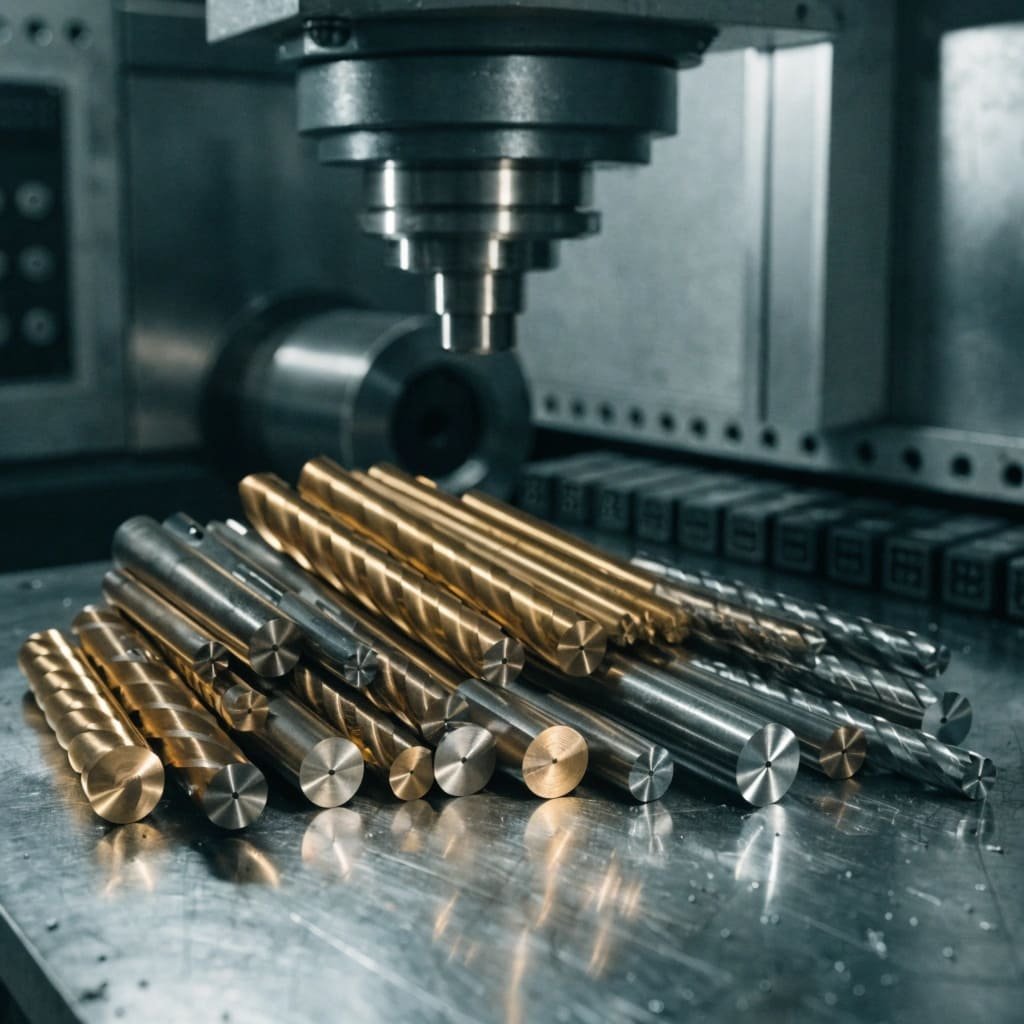
We see these mistakes happen all the time, especially with buyers who are new to the industry. A low price on a tool that looks good can be very tempting. But in precision machining, you must rely on facts, not assumptions. Let's clear up some of the most common myths.
Separating Myth from Fact
Believing these myths can lead to scrapped parts, broken tools, and even damage to your machine. Here is the reality behind the most common misconceptions I've encountered.
| Common Myth | The Reality |
|---|---|
| "If it's gold, it must be HSS." | The gold color comes from a Titanium Nitride (TiN) coating. This coating can be applied to cheap, regular steel just as easily as to high-quality HSS. The coating itself does not prove the quality of the steel underneath. |
| "It feels heavy, so it's good quality." | The density difference between HSS and regular steel is very small7. You cannot reliably tell the difference just by holding it. This is not a useful test. |
| "It's magnetic, so it must be HSS." | Both HSS and regular carbon steel are iron-based, so they are both magnetic. Magnetism only helps you distinguish steel from non-ferrous materials like solid carbide, not from other types of steel. |
| "It looks sharp and well-made." | A sharp edge can be ground onto any piece of steel. A fake tool can look very professional at first glance. The sharpness will disappear almost instantly during a cut if the underlying material is not proper HSS8. |
The safest approach is to be skeptical9. Don't trust a single visual clue. Always combine multiple tests for a reliable conclusion.
Conclusion
Identifying a true HSS end mill without markings requires more than a quick look. Combine supplier information, tool markings, shop tests, and actual cutting performance for a reliable answer.
Research articles or educational resources can clarify the specific alloying elements that differentiate HSS from regular steel. ↩
Materials science literature can provide hardness ratings for various types of steel files. ↩
Technical specifications from manufacturers or industry standards can confirm the hardness range of HSS end mills. ↩
Research studies on cutting performance can provide data on the effectiveness of HSS tools. ↩
Industry standards or supplier guidelines can provide information on documentation practices. ↩
Articles or studies on tool coatings can provide insights into how color affects tool identification. ↩
Materials science references can provide density values for HSS and regular steel. ↩
Research on tool wear can provide data on how quickly different materials lose sharpness. ↩
Articles on best practices in machining can provide insights into the importance of skepticism. ↩